A roof leak that returns after rainfall can be frustrating and may indicate that the original source was not fully identified. Water can travel beneath tiles, along underlay and across roof timbers before appearing inside a property. Treating only the visible damp patch or the area directly above it may therefore leave the underlying defect unresolved.
For property owners in Southampton, Hampshire, professional roof leak repairs focus on finding how water is entering, assessing the surrounding materials and completing a repair that restores the roof as a complete weatherproof system.
How Professional Roof Leak Repairs Provide a Lasting Solution
Preventing a leak from returning requires more than covering an obvious gap. A professional repair begins with diagnosis and considers how the affected area interacts with the rest of the roof.
The True Entry Point Is Identified
The location of an internal stain does not always match the position of the external defect. Rainwater may enter higher up the roof and follow the underlay, rafters or other surfaces before dripping through the ceiling.
A roofer will inspect likely entry points such as:
- Cracked, slipped or missing tiles
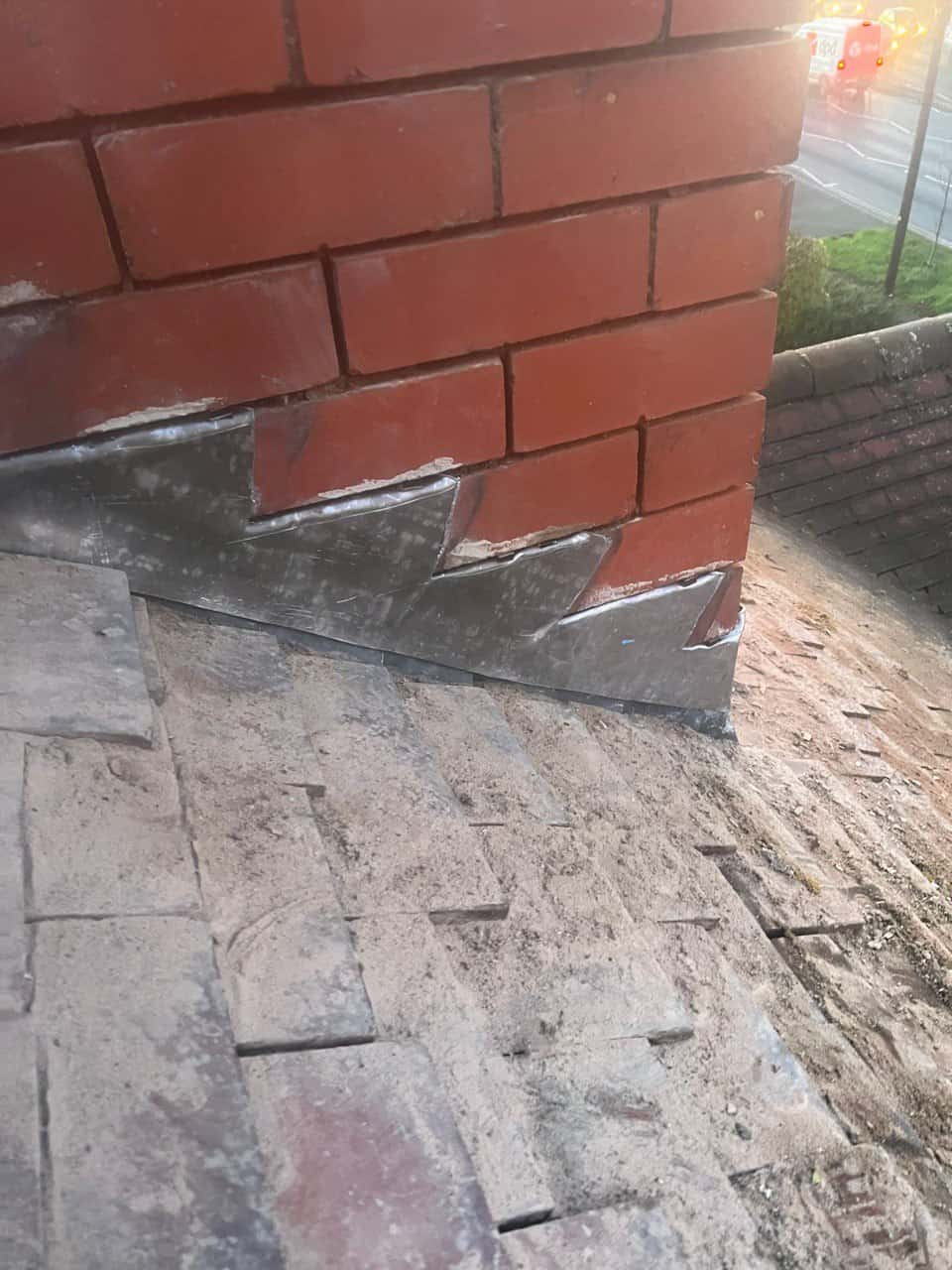
- Damaged lead flashing
- Open joints around roof penetrations
- Deteriorated valleys and roof junctions
- Loose ridge or verge materials
- Splits in flat roofing membranes
- Defective areas around chimneys
- Blocked or damaged drainage points
Tracing the route of the water helps ensure that the cause is treated rather than only the final symptom.
Surrounding Materials Are Checked
A leak may begin at one small opening but affect a wider area beneath the roof covering. Water can damage underlay, battens, fixings and sections of the roof deck.
Professional inspection considers whether nearby materials remain secure and serviceable. If a broken tile is replaced but the batten beneath it has deteriorated, the repair may not remain stable. Addressing related weaknesses reduces the likelihood of another failure developing beside the repaired section.
The Reason for the Defect Is Established
Understanding why a component failed helps determine the correct repair method. A slipped tile may have been caused by a weakened fixing, movement within the roof or deterioration of the supporting batten. Failed flashing may result from poor detailing, weathering or repeated movement.
Simply returning the visible material to position may not prevent the same problem from happening again. A durable repair should address both the defect and its cause.
Compatible Materials Are Used
Roofing materials must work with the existing covering and accommodate expected movement and weather exposure. Incompatible products or general-purpose sealants may not bond correctly, may deteriorate prematurely or could redirect water elsewhere.
Professional roofers select repair materials suited to the roof type and the particular detail being restored. The repair should connect securely to sound surrounding material rather than relying on a weak or contaminated surface.
Water-Shedding Details Are Restored Correctly
A roof does not need to be completely flat or visibly open to leak. Water can enter through poorly formed laps, incorrect flashing details or joints that do not direct rainfall away effectively.
Professional repairs restore the intended route of water across the roof. This may involve correcting tile alignment, renewing flashing, resealing appropriate junctions or rebuilding a defective detail so that rainwater flows towards the drainage system.
Drainage Problems Are Considered
Some recurring leaks are caused or worsened by ineffective drainage. Blocked valleys, outlets and gutters can cause water to collect or overflow into vulnerable areas.
Checking how water moves away from the roof is therefore an important part of preventing further problems. Correcting a leak without addressing the drainage issue responsible for it may only provide a temporary improvement.
Previous Repairs Are Assessed
An earlier repair may have stopped the leak initially while leaving the surrounding weakness untreated. Patches can also begin lifting, cracking or separating as materials move through seasonal temperature changes.
A professional roofer will assess whether old repair materials should remain, be reinforced or be removed before new work begins. Building repeatedly over an unsuitable repair can conceal the original problem without creating a dependable seal.
Hidden Moisture Is Taken Into Account
Even after the entry point has been repaired, water may remain within insulation, timber or internal finishes. This can make staining or dampness appear to continue for a period while the affected materials dry.
The area should be monitored after the repair, particularly during later rainfall. Internal decoration is best left until the materials are dry and the roof has remained watertight.
The Wider Roof Is Reviewed
A local leak does not always mean that the entire roof is in poor condition. However, checking the wider roof can reveal other defects likely to cause similar problems.
Signs such as multiple slipped tiles, widespread brittle materials or deterioration across several junctions may indicate that isolated repairs need to form part of a broader maintenance plan. This allows the most important work to be prioritised before another leak develops.
Why Temporary Patching Often Fails
A surface patch can fail when it is applied to damp, loose or deteriorated material. It may also trap moisture or divert water into an adjoining section.
A lasting repair requires suitable preparation, secure connections and an understanding of how the roof manages rainfall. This is why professional investigation is particularly valuable when a leak has already returned.
Conclusion
Professional roof leak repairs help prevent recurring problems by locating the true entry point, identifying why the defect developed and checking the condition of surrounding materials. Correct detailing, compatible materials and effective drainage are all important to restoring reliable performance.
Southampton Roofing Repairs provides professional roof leak inspections and repairs in Southampton, Hampshire. If a leak has returned or damp patches continue to appear, contact us to arrange an assessment and determine the most appropriate repair.
Call us on: 023 8235 1781
Click here to find out more about Southampton Roofing Repairs
Click here to complete our contact form and see how we can help with your roofing needs.