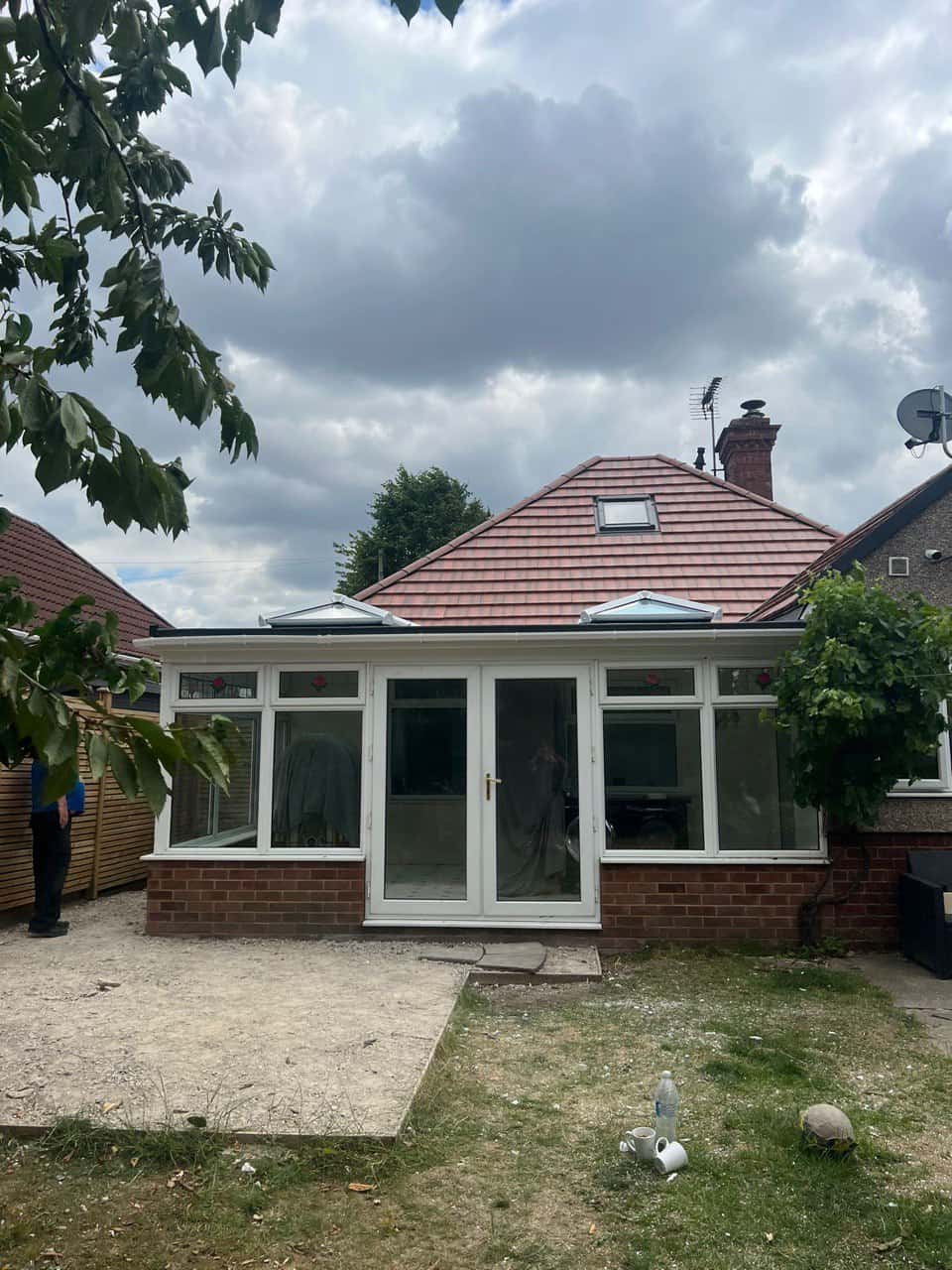
Regular roof maintenance is an important part of keeping a property protected, and occasional repairs do not necessarily indicate that there is anything seriously wrong with the roof. Tiles can become displaced, flashing can deteriorate and exposed details may require attention over time. However, when maintenance becomes increasingly frequent or similar problems keep returning, it can be sensible to look beyond the latest defect.
For property owners in Southampton, Hampshire, a wider roof assessment can help establish whether repeated maintenance is simply the result of unrelated issues or whether several areas of the roofing system are beginning to deteriorate together. Understanding that distinction makes it easier to choose repairs that support the roof’s longer-term reliability.
When Repeated Roof Maintenance Needs a Wider Assessment
Repeated maintenance becomes more significant when individual repairs stop appearing isolated. If one problem is resolved only for another to develop shortly afterwards, particularly in a different part of the roof, there may be value in assessing the overall condition rather than continuing to examine each fault separately.
The purpose of a wider assessment is not to assume that extensive roofing work is required. Instead, it provides a clearer understanding of why maintenance requirements are increasing and whether targeted roof repairs remain the most appropriate approach.
Occasional Repairs Are a Normal Part of Roof Maintenance
Not every roof repair indicates a wider concern. Roofing materials are continuously exposed to wind, rain, seasonal temperature changes and general ageing.
An isolated damaged tile, a small section of deteriorated mortar or a localised flashing defect can often be repaired effectively when the surrounding materials remain in serviceable condition.
What matters is whether these problems remain occasional. A roof that requires a straightforward repair and then continues performing reliably is very different from one that develops new defects repeatedly.
The frequency and distribution of maintenance requirements therefore provide useful information about the roof’s overall condition.
Look for a Pattern Rather Than a Single Problem
A wider assessment becomes particularly useful when maintenance begins to form a recognisable pattern.
Signs that may justify closer investigation include:
- Roof leaks developing in different locations
- Tiles or slates becoming loose repeatedly
- Several areas of mortar deteriorating
- Problems appearing around different roof junctions
- New defects developing near previous repair areas
- Increasingly fragile roofing materials
- Maintenance becoming necessary more frequently
- Different roofing components showing deterioration at the same time
No single sign automatically means there is a major problem. When several occur together, however, they can indicate that the condition of the wider roof deserves attention.
Returning Problems Need Accurate Diagnosis
If the same roofing problem repeatedly returns, establishing the underlying cause becomes particularly important.
A repair can only provide a dependable result when it addresses the actual source of the defect. For example, repeatedly repositioning a displaced tile may not solve the problem if deterioration affecting the fixing or supporting materials is causing it to move.
Leaks can be equally misleading. Water does not always enter the roof directly above the point where dampness becomes visible inside the property. It can travel beneath the covering or along structural components before appearing elsewhere.
A wider assessment allows the roofer to investigate how and why the defect is occurring rather than simply treating its visible symptoms.
New Problems Around Previous Repairs Can Be Significant
When a problem develops close to an earlier repair, it is easy to assume that the repaired section has failed. This is not always the case.
A properly completed repair may remain completely sound while the original materials surrounding it continue to deteriorate. As those neighbouring materials age, another defect can appear immediately alongside an otherwise successful repair.
If this begins happening repeatedly, it can indicate that deterioration is gradually affecting a larger section of the roof.
Examining previous repairs alongside the condition of surrounding materials helps establish whether another targeted repair is appropriate or whether the problem has become more widespread.
Several Unrelated Repairs Can Point to General Deterioration
Maintenance occurring in completely different areas can sometimes be more informative than a recurring problem in one location.
For example, a roof might require attention to its covering, followed later by deterioration around leadwork and then another problem involving a roof junction. Each fault could potentially be repaired individually, but the combination may indicate that several components have reached a similar stage of ageing.
At this point, looking at the roof as a complete system becomes increasingly valuable.
The objective is to determine whether the roof still consists mainly of sound materials with occasional defects or whether deterioration is becoming more general.
The Condition of Surrounding Roofing Materials Matters
A localised repair relies partly on the condition of the materials around it.
When neighbouring tiles, slates, fixings and roof details remain secure and serviceable, a focused repair can integrate effectively with the existing roof. If surrounding materials are brittle, loose or heavily deteriorated, another isolated repair may provide less certainty.
This is why assessing only the visibly damaged component can sometimes provide an incomplete picture.
A professional roofer should consider whether the materials around the proposed repair remain suitable and whether there are signs of similar deterioration developing nearby.
Consider More Than the Visible Roof Covering
The tiles or slates are only one part of a roofing system.
A broader assessment may consider several components, including:
- The main roof covering
- Ridge and verge details
- Valleys and water channels
- Leadwork and flashing
- Roof junctions
- Fixings
- Underlying materials where accessible
- Areas around chimneys and other penetrations
These elements work together to protect the property from the weather. Deterioration affecting one component can sometimes contribute to problems elsewhere, which is why repeated maintenance should be considered in the context of the whole roof.
Roof Age Should Provide Context, Not the Answer
Older roofs can naturally require more attention, but age alone does not determine whether continued repairs are appropriate.
Some older roofs remain fundamentally sound and respond very well to targeted maintenance. Equally, a roof does not need to be exceptionally old for several components to develop problems.
The actual condition of the materials is therefore more important than simply knowing when the roof was installed.
A condition-based assessment allows repair decisions to reflect what is happening on the roof today rather than relying on assumptions about age.
A Wider Assessment Can Confirm That Repairs Are Still Suitable
One important benefit of a comprehensive roof inspection is that it does not automatically lead to a recommendation for more extensive work.
In many cases, the assessment may establish that the roof remains generally reliable and that recent maintenance requirements have resulted from a small number of unrelated defects.
This can provide reassurance that targeted repairs remain a sensible approach.
Where wider deterioration is identified, the same assessment provides the information needed to plan work more effectively instead of repeatedly responding to new problems as they emerge.
Focus on Long-Term Roof Reliability
The purpose of roof maintenance should be to maintain dependable weather protection, not simply to make each visible problem disappear.
If individual repairs continue to provide reliable results and the surrounding materials remain sound, ongoing maintenance can be entirely appropriate. When new faults become increasingly frequent or unpredictable, however, overall roof reliability deserves greater consideration.
Looking at the pattern of maintenance helps distinguish between a roof that occasionally needs attention and one whose repair requirements are changing because its wider condition is deteriorating.
Professional Roof Assessment in Southampton, Hampshire
At Southampton Roofing Repairs, we understand the importance of identifying the cause of roofing problems rather than simply dealing with the most obvious symptom.
When a roof has required repeated maintenance, assessing the surrounding materials and other vulnerable areas can help establish whether the latest fault remains isolated or forms part of a wider pattern.
For property owners in Southampton, Hampshire, this approach helps ensure that repairs are based on the actual condition of the roof and that unnecessary work is avoided.
Conclusion
Repeated roof maintenance does not automatically mean that a roof has developed a widespread problem. Occasional repairs are a normal part of maintaining many roofing systems, particularly when individual defects are clearly identified and the surrounding materials remain sound.
A wider assessment becomes more useful when maintenance grows more frequent, faults appear across several areas, problems return or materials around previous repairs begin to deteriorate. Looking at the roof as a complete system can reveal whether targeted repairs remain suitable or whether the pattern of deterioration requires a broader approach.
If your roof in Southampton, Hampshire has needed repeated attention and you would like to understand why, contact Southampton Roofing Repairs. We can assess the immediate problem alongside the wider condition of the roof and recommend an appropriate solution based on what is actually required.
Call us on: 023 8235 1781
Click here to find out more about Southampton Roofing Repairs
Click here to complete our contact form and see how we can help with your roofing needs.