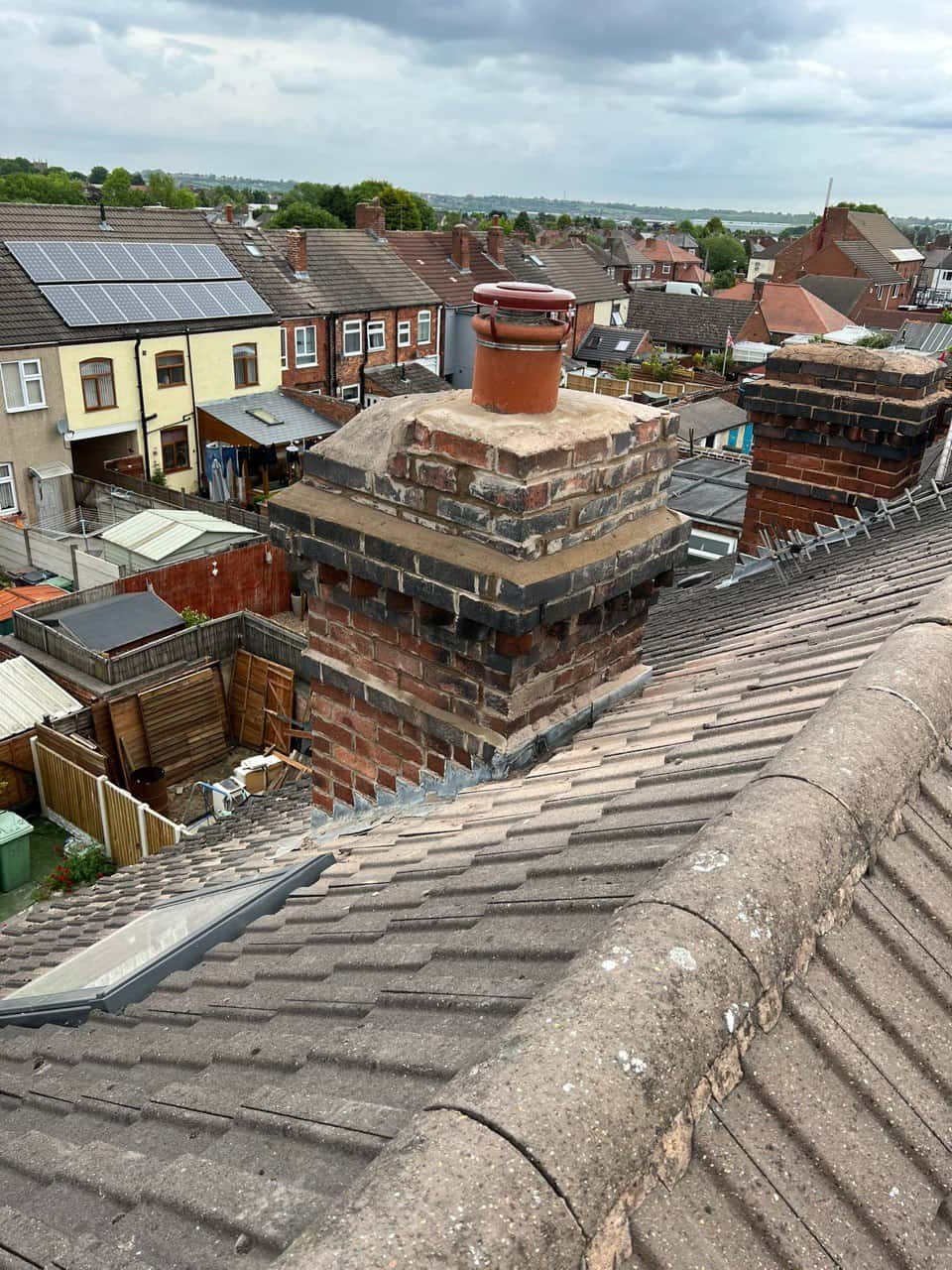
A complete roof replacement is a significant home improvement project that can improve your property’s protection, structural reliability and long-term condition. While individual repairs can resolve isolated problems, there comes a point when an ageing or deteriorating roof may no longer provide dependable protection. Planning a replacement carefully helps ensure the new roof is suitable for your property and capable of withstanding the demands of changing weather conditions.
For homeowners in Southampton, Hampshire, understanding what is involved before starting a roof replacement can make the process more straightforward. From assessing the existing roof structure to selecting suitable materials, several important considerations can influence the quality and performance of the finished installation.
Assessing the Condition of Your Existing Roof
Before committing to a complete replacement, it is important to establish the overall condition of your current roof. A professional inspection can identify whether the existing problems are limited to individual sections or whether deterioration has become widespread.
Common signs that a replacement may be necessary include recurring leaks, widespread cracked or slipped tiles, deteriorating roof coverings, damaged battens and persistent problems with the underlying structure. Previous repairs may also have become less effective if several areas are now showing signs of failure.
The condition of the roof timbers, underlay and supporting components should also be considered. Replacing the visible covering without addressing underlying defects could leave the new installation vulnerable to similar problems.
A thorough assessment helps establish the most appropriate approach and ensures that important structural issues are not overlooked.
Choosing Suitable Roofing Materials
Selecting the right roofing material is one of the most important decisions when planning a complete replacement. The material should complement the appearance of your property while providing reliable protection and suitable durability.
Common roofing options include:
- Concrete tiles: A practical choice for many residential properties, offering durability and a variety of styles.
- Clay tiles: Known for their traditional appearance and long-lasting qualities, making them suitable for many established properties.
- Natural slate: Provides an attractive finish and excellent durability when correctly installed.
- Modern roofing systems: Depending on the roof design, alternative materials may provide suitable solutions for particular property requirements.
The roof’s pitch, supporting structure and existing design will influence which materials are appropriate. A roofing professional can help identify options that provide a suitable balance between appearance, performance and compatibility.
Checking the Roof Structure Before Installation
A complete roof replacement provides an opportunity to examine parts of the roof that are normally hidden beneath the existing covering.
Once the old materials have been removed, the condition of the supporting timbers, rafters and roof battens can be assessed more thoroughly. Any signs of rot, moisture damage, timber deterioration or weakened sections should be addressed before the new covering is installed.
The roof underlay should also be considered. This layer provides additional protection against moisture and wind-driven rain, helping prevent water from reaching the roof space.
Addressing these components during replacement helps create a stronger and more dependable roofing system rather than simply improving the external appearance.
Considering Roof Ventilation and Insulation
Ventilation and insulation play an important role in the overall performance of a roof. Poor ventilation can allow moisture to accumulate within the roof space, potentially contributing to condensation, dampness and timber deterioration.
During a replacement, it is worth checking whether the existing ventilation arrangements are adequate. Suitable ventilation should allow air to circulate through the roof space while maintaining the roof’s ability to resist water penetration.
Insulation should also be assessed. Effective insulation helps reduce unnecessary heat loss through the roof, making the property more comfortable throughout the year.
These considerations are particularly important when upgrading an older roofing system, as improvements to the roof covering should not overlook the conditions beneath it.
Inspecting Roofline Components and Drainage
A roof replacement should not focus exclusively on tiles or slates. The surrounding roofline components also contribute to the property’s protection against water ingress.
Fascias, soffits and guttering should be inspected for signs of deterioration, damage or poor installation. Defective components can allow rainwater to reach areas that should remain protected, potentially affecting roof timbers and external walls.
Flashing around chimneys, roof junctions and other vulnerable areas should also be checked. These sections require properly fitted weatherproof details to prevent water from entering through gaps and joints.
Ensuring that drainage and roofline components are in suitable condition helps the completed roof function as a complete weatherproof system.
Planning the Replacement Work Carefully
Good preparation helps a roof replacement progress efficiently and reduces the likelihood of avoidable complications. Before work begins, the roofing contractor should explain the main stages of the project, including the removal of existing materials, inspection of the roof structure and installation of the replacement system.
It is also important to understand how the property will be protected while the roof is exposed. Appropriate temporary coverings and sensible work planning help minimise the risk of water entering the building if weather conditions change.
Clear communication throughout the project ensures that any unexpected defects discovered during the work can be discussed and addressed appropriately.
For homeowners in Southampton, working with an experienced local roofing specialist provides an opportunity to have the property’s individual requirements assessed before replacement work begins.
Conclusion
Planning a complete roof replacement involves considerably more than choosing new tiles or slates. The condition of the existing structure, roofing materials, ventilation, insulation, flashing and roofline components all contribute to the reliability of the finished installation.
Taking the time to assess these areas helps ensure that the replacement addresses existing problems and provides dependable protection for years to come.
If your roof in Southampton, Hampshire, is showing widespread signs of deterioration or has required repeated repairs, Southampton Roofing Repairs can help assess its condition and discuss suitable replacement options. Get in touch to arrange a professional roof inspection and take the next step towards a more reliable roofing system.
Call us on: 023 8235 1781
Click here to find out more about Southampton Roofing Repairs
Click here to complete our contact form and see how we can help with your roofing needs.