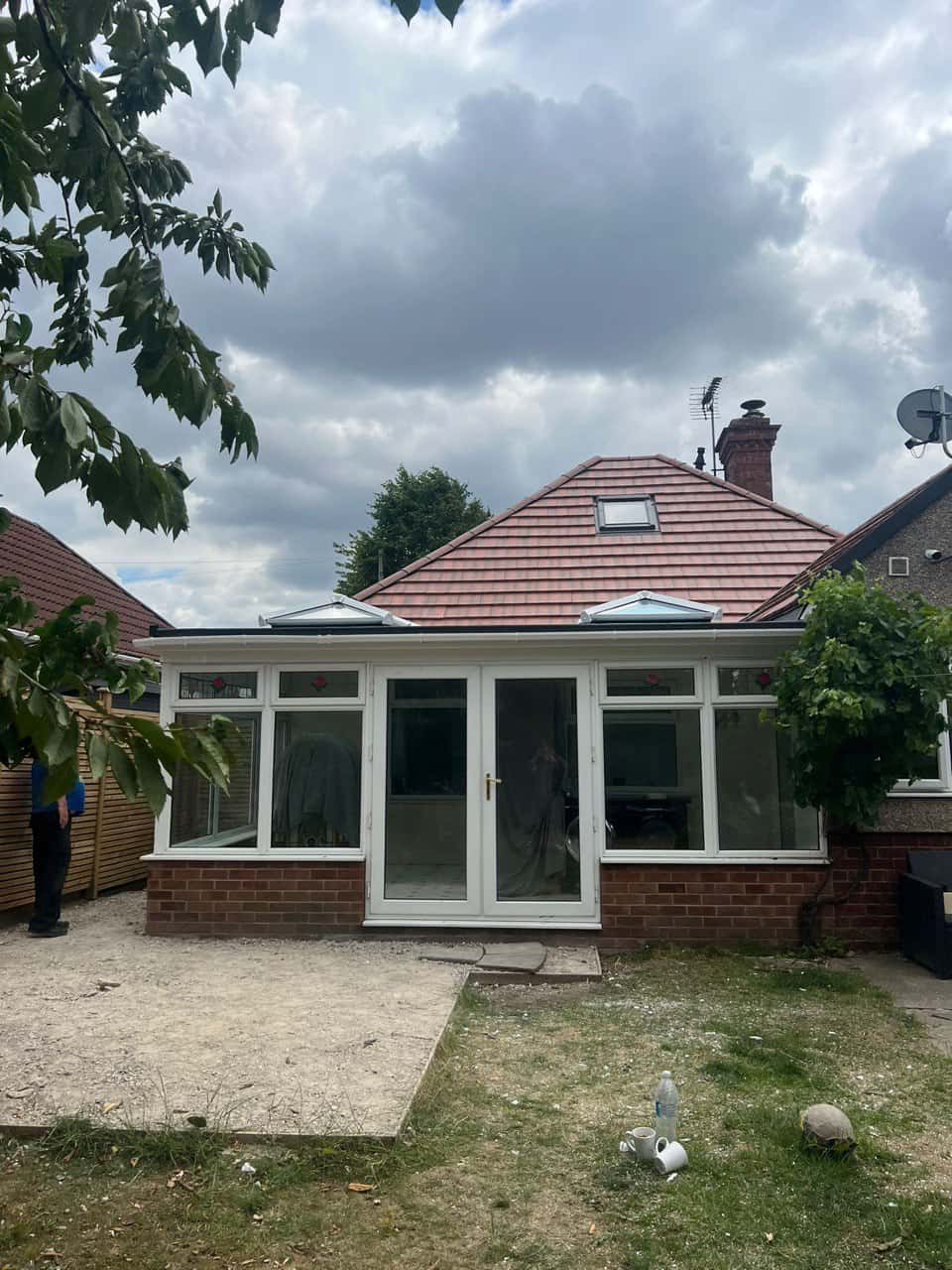
Fascia boards play an important role in protecting the roofline of a property. Positioned along the lower edge of the roof, they support the guttering and help shield the roof structure from moisture, pests and exposure to the elements. When fascia boards become damaged or deteriorate, they can affect more than the appearance of a home.
For homeowners in Southampton, Hampshire, regular roofline inspections can help identify fascia problems before they contribute to further damage. Southampton Roofing Repairs provides professional roofing services to assess damaged fascia boards and recommend suitable repairs to help maintain the condition of your roofline.
What Do Fascia Boards Do?
Fascia boards are fitted along the edge of a roof, where the roof covering meets the external wall. They commonly provide a fixing point for guttering and help protect the ends of the roof rafters from weather exposure.
Fascia boards work alongside soffits and guttering to form an important part of the roofline. When these components are in good condition, they help direct rainwater away from the property and protect vulnerable roof edges.
However, damaged fascia boards may struggle to support gutters securely or prevent moisture from reaching the underlying timber. Identifying deterioration early can help preserve the roofline and reduce the risk of related problems.
Common Signs Your Fascia Boards Need Repair
1. Peeling Paint or Flaking Surface Finishes
Peeling paint, bubbling finishes and flaking coatings can indicate that fascia boards are exposed to excessive moisture or that their protective surface is deteriorating.
Although minor paint damage does not always mean the board itself has failed, persistent deterioration should be investigated. Water may be entering through damaged joints, leaking gutters or gaps in the roofline.
If the underlying material remains sound, preparation and repainting may help restore its protection. However, boards affected by significant rot or structural damage may require replacement.
2. Rotting or Soft Timber
Timber fascia boards can deteriorate when they remain damp for prolonged periods. Leaking or overflowing gutters, damaged roof coverings and failed joints can all contribute to moisture exposure.
Warning signs include soft patches, crumbling timber, discolouration and areas where the surface breaks apart easily. Rot can gradually weaken the board, reducing its ability to support guttering and remain securely attached.
If you notice these signs, a professional inspection can establish how far the deterioration extends and whether localised repairs or replacement are appropriate.
3. Sagging or Loose Guttering
Fascia boards provide support for many guttering systems, so deterioration can affect how securely the gutters are attached. If the board becomes weakened, gutter brackets may loosen, causing sections of guttering to sag or pull away from the roofline.
This can disrupt rainwater drainage and allow water to spill against external walls or collect near the building’s foundations.
Loose guttering should not automatically be blamed on the fascia boards, as failed brackets or blocked gutters may also be responsible. Southampton Roofing Repairs can assess the roofline to identify the cause and recommend suitable remedial work.
4. Cracks, Splits or Loose Sections
Fascia boards can develop cracks or splits as materials age and experience repeated exposure to changing weather conditions. Poor fixings, movement and impact damage can also cause sections to loosen.
Gaps between boards may allow moisture to reach the underlying roof structure, while loose sections can become increasingly unstable in strong winds.
Minor defects may be repairable if the surrounding material remains sound. Where damage is extensive or the boards can no longer be secured reliably, replacement may provide a more effective long-term solution.
5. Damp Patches and Water Staining
Water marks around the roofline, staining beneath the gutters or dampness near the eaves can indicate a problem with drainage or weather protection.
Damaged fascia boards may contribute to these issues, but the source could also be leaking gutter joints, overflowing outlets or defects in the roof covering.
Finding the underlying cause is essential. Repairing the fascia without addressing a leaking gutter or another source of moisture may allow the same damage to return.
What Causes Fascia Board Damage?
Fascia boards are exposed to rain, wind and temperature changes throughout the year. Over time, these conditions can weaken protective finishes, open joints and accelerate deterioration in vulnerable materials.
Poorly maintained guttering is another common contributor. When gutters become blocked or leak at their joints, water can repeatedly run over the fascia rather than being carried safely away from the roof.
The type of fascia material also affects its maintenance needs. Timber may require protective coatings and checks for rot, while uPVC fascia boards can become cracked, loose or discoloured. Even relatively durable materials need secure fixings and properly maintained adjoining components.
For properties in Southampton, Hampshire, periodic roofline checks can help identify these issues before they affect neighbouring parts of the roof.
When Should You Arrange Professional Fascia Board Repairs?
You should consider arranging an inspection if you notice rotting timber, loose guttering, visible cracks, persistent water staining or fascia boards pulling away from the roofline.
Professional attention is particularly important when the damage affects the gutter supports or appears to extend into the roof structure. Simply covering damaged timber or securing a loose section without investigating the cause may not resolve the underlying problem.
Working at roof height also carries significant risks. Avoid using ladders to inspect or repair unstable fascia boards yourself, particularly where guttering is loose or the roof edge is difficult to access.
Southampton Roofing Repairs can assess the condition of your fascia boards, check for related roofline defects and advise whether repair or replacement is the most suitable approach.
How Professional Repairs Help Protect Your Roofline
Effective fascia repairs involve more than improving the appearance of the roof edge. The work should address the source of the damage and ensure that the boards can perform their intended role.
Depending on the condition of the roofline, repairs may involve securing loose sections, replacing damaged boards, renewing failed fixings or addressing related guttering problems. The surrounding soffits, roof edges and drainage components may also need checking to ensure that moisture is not continuing to affect the area.
Taking a comprehensive approach helps restore the roofline’s condition and reduces the likelihood of recurring problems.
Conclusion
Fascia boards help protect the roof edge and support the guttering system, making their condition important to the overall performance of your roofline. Peeling paint, rotting timber, loose gutters, cracks and water staining can all indicate that professional attention is needed.
If you have noticed any of these warning signs at your property, Southampton Roofing Repairs can assess the damage and recommend suitable fascia board repairs. Contact the team to arrange an inspection and help keep your roofline in good condition in Southampton, Hampshire.
Call us on: 023 8235 1781
Click here to find out more about Southampton Roofing Repairs
Click here to complete our contact form and see how we can help with your roofing needs.