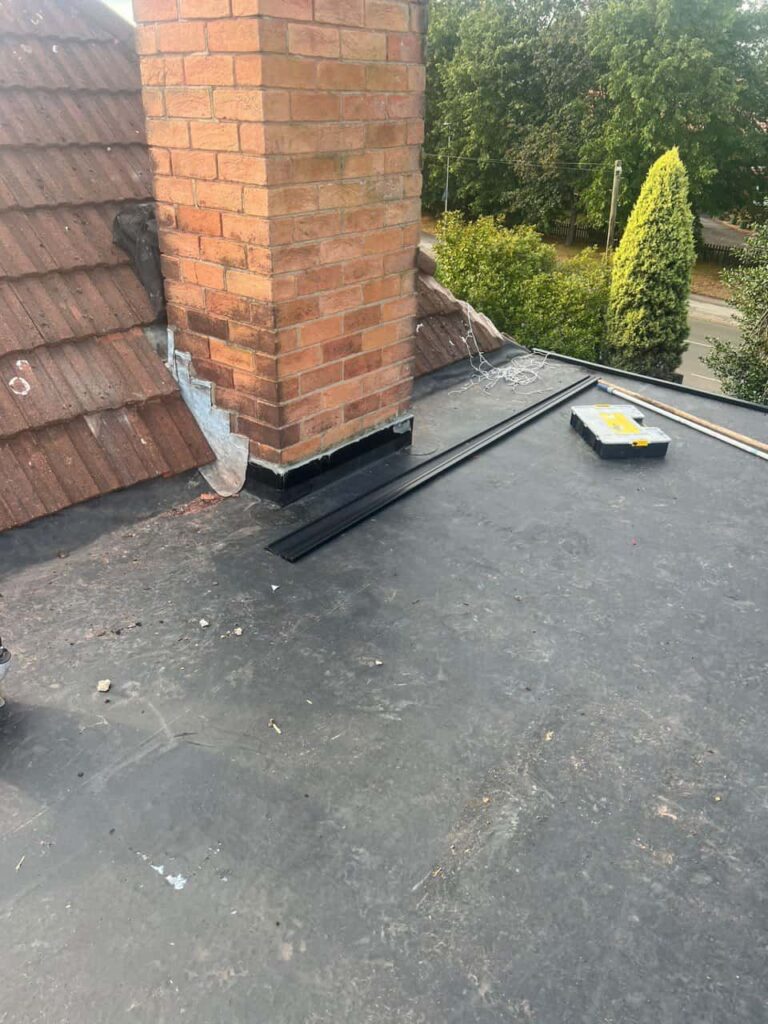
Slate roofing has been used across the UK for generations, particularly in areas exposed to challenging weather. Its reputation for strength and longevity is well established, but many homeowners still wonder how slate performs when faced with harsh conditions such as heavy rain, strong winds and fluctuating temperatures. For properties in Southampton, Hampshire, understanding how slate roofs respond to demanding weather helps explain why they remain a trusted roofing option. This article explores how slate behaves under pressure and what makes it so resilient.
Natural Resistance to Rain and Moisture
One of slate’s greatest strengths is its ability to handle prolonged exposure to water.
Slate is a dense, low-porosity natural stone that absorbs very little moisture. This allows rainwater to run off the roof efficiently rather than soaking into the material. During periods of persistent rainfall, slate tiles continue to provide reliable protection without degrading or weakening.
Strong Performance in High Winds
Wind is a major factor in roof wear, particularly in exposed locations.
When correctly installed, slate tiles are securely fixed and overlapped in a way that resists wind uplift. Their weight and interlocking layout help keep them stable during strong gusts, reducing the likelihood of movement or displacement compared to lighter roofing materials.
Stability in Temperature Extremes
Harsh weather is not limited to rain and wind. Temperature changes also place stress on roofing systems.
Slate responds well to both cold and warm conditions. It expands and contracts very little compared to many manufactured materials, which helps prevent cracking and distortion over time. This stability is particularly valuable during seasonal temperature fluctuations.
Resistance to Frost and Ice
Cold weather can be especially damaging to some roofing materials.
Slate’s low water absorption means there is minimal moisture within the tile to freeze and expand. As a result, slate is highly resistant to frost damage, making it well suited to winter conditions where freezing and thawing cycles occur.
Long-Term Durability Under Repeated Weather Exposure
Harsh weather does not usually cause immediate failure in slate roofs. Instead, durability is demonstrated over decades of exposure.
Slate does not rot, corrode or warp, and it maintains its structural integrity even after long-term exposure to the elements. This makes it one of the most reliable roofing materials for properties that experience varied and demanding weather conditions.
The Importance of Professional Installation and Maintenance
While slate itself is extremely durable, its performance depends on how it is installed and maintained.
Correct fixing methods, suitable battens and properly detailed leadwork all play a role in how well a slate roof handles harsh weather. Periodic inspections help ensure that individual tiles, flashings and supporting components remain in good condition.
At Southampton Roofing Repairs, we work with slate roofing systems designed to withstand challenging weather conditions. Our professional inspections and repairs help ensure slate roofs continue to perform reliably across Southampton.
Conclusion
Slate roofs respond exceptionally well to harsh weather conditions due to their natural strength, low water absorption and resistance to temperature extremes. From heavy rain and strong winds to frost and seasonal changes, slate provides consistent protection when correctly installed and maintained.
For homeowners in Southampton, Hampshire, slate remains a dependable roofing choice in demanding conditions. If you would like expert advice on the condition or performance of a slate roof, Southampton Roofing Repairs can provide professional guidance to help protect your property for the long term.
Call us on: 023 8235 1781
Click here to find out more about Southampton Roofing Repairs
Click here to complete our contact form and see how we can help with your roofing needs.